
Wexford County's Most Wanted Program
Wexford County runs no warrant-specific most-wanted program. The sheriff publishes no wanted roster, no reward schedule, and no anonymous warrant tip form, and the courts publish none either. The prosecutor's page links a general anonymous crime-tip service, and that is the closest thing to a public list on the county side. This is a deliberate publishing choice. A sheriff who wants a wanted page posts one, and Wexford County has not made that choice. Nothing here says the county lacks warrants; it says the county lacks a list.
What Replaces a Wexford County Wanted List
Four public routes cover the same ground without a roster:
- Court case history, which can show a warrant event on a public case.
- The issuing court, which confirms current status by phone.
- The ticket and case portal, for matters that began with a citation.
- A written records request, for agency paperwork that is not posted.
Wexford County readers work with three narrower tools instead: the courts, the sheriff, and dispatch. Each answers one question, so plan on using two. Court records follow Michigan court rules, while sheriff and dispatch records follow the state public-records law.
Anonymous Tips in Wexford County
A tip line and a wanted list are not the same thing. In Wexford County, the prosecutor's office links a service for anonymous crime reports, and that is what it does: it takes information. It publishes no names. It is not a self-check for someone wondering whether an outstanding warrant exists; the court that holds the case answers that. If you know something about a crime, use the official channel and give the facts plainly. Something happening right now is an emergency call, not a tip submission.
How the Most Wanted Lists Work
A most-wanted page is a curated subset, never a full inventory. An agency picks a handful of cases it wants the public to notice, reviews them on a schedule, and pulls a case when it resolves. A warrant roster aims to be more complete. The two can disagree without either being wrong. A curated list may skip sealed, juvenile, recalled, or stale entries, and a court history can show a warrant that never hit any public page. Wexford County currently has neither a list nor a roster, which pushes the real check back to the courts.
Wexford County Warrant Records and Public Access
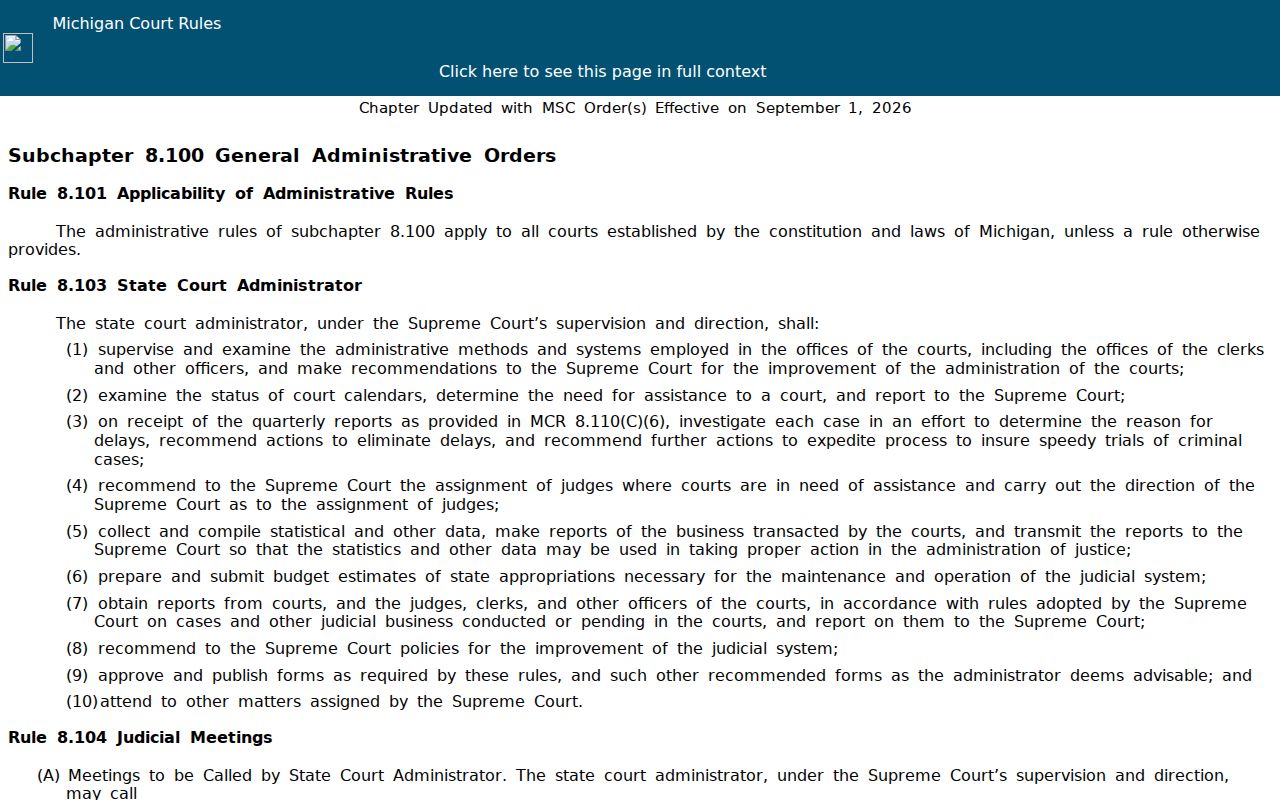
Michigan court rules govern access to Wexford County case files, and they generally allow inspection of public case history unless a statute, rule, or order restricts a record. Copies may carry a reproduction charge. The court records chapter sets out who may inspect a file, which categories stay restricted, and what copy charges apply.
Wexford County files also include juvenile, adoption, and other protected matters, which no public list ever carries. That is one more reason a public roster can never be complete.
Reporting a Tip Safely
Give what you know to the Wexford County agency handling the matter. Do not act on it yourself. Approaching someone you believe is wanted risks everyone's safety and can interfere with an investigation.
Key Point: Never try to detain or confront someone over a warrant. Report the information and let an authorized officer act on it.
Why LEIN Stays Closed in Wexford County
Michigan's Law Enforcement Information Network holds the working warrant entries an officer sees during a traffic stop. The Michigan State Police keeps LEIN access limited to qualified criminal-justice agencies. No member of the public can search it, and no website can reproduce it. That restriction explains the gap between what a Wexford County case history shows and what an officer sees on the street. It also explains why any most-wanted page would be a hand-picked selection rather than a live feed. The LEIN access page states the restriction directly.
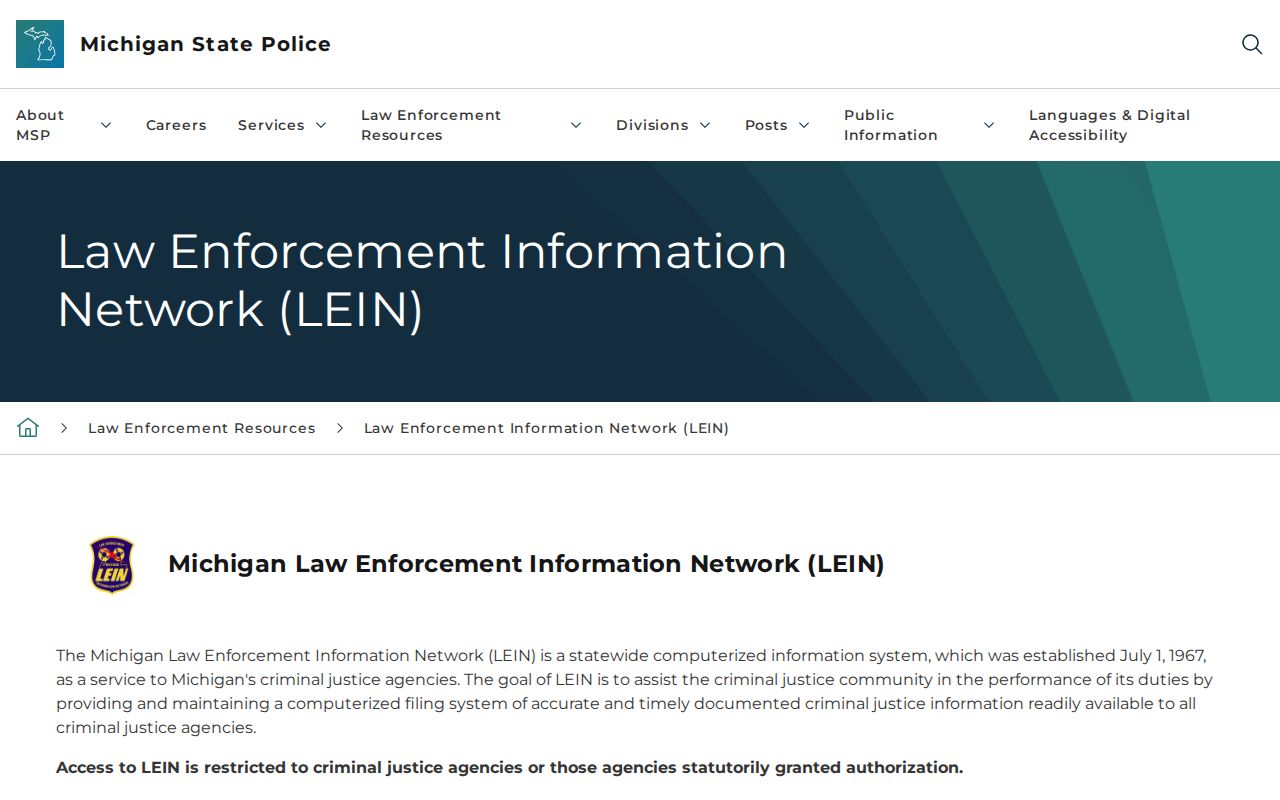
No public lookup in Wexford County fills that gap. The issuing court remains the office that confirms a case.
Most Wanted Lists vs Active Warrants
A most-wanted list and an active warrant are different things in Wexford County, and record access depends on which one you mean.
| Point of Comparison | Most Wanted List | Active Warrant |
|---|---|---|
| What it is | A curated public-safety selection | An order that has not been cleared |
| Who decides | The publishing agency | The judge or magistrate who signed it |
| Completeness | Partial by design | Case specific |
| Where it is confirmed | The publishing agency | The issuing court |
| Status in Wexford County | No program located | No public roster located |
For a status answer, ask the Wexford County court that holds the case. A list may never have included it. The outstanding warrants overview explains how that confirmation works here.
Federal Warrants Outside Wexford County
Federal fugitive matters sit in a separate system from Wexford County process. The county lies in the Southern Division of the U.S. District Court for the Western District of Michigan, which keeps offices in Grand Rapids, Kalamazoo, and Lansing. The U.S. Marshals Service covers the district. Federal dockets appear in PACER, which charges by page and may not show sealed material, so a county case search will never surface federal process. A federal warrant also cannot be cleared by a county payment, court appearance, or records request. The federal case search gateway explains the fee structure and locator services behind the District version.
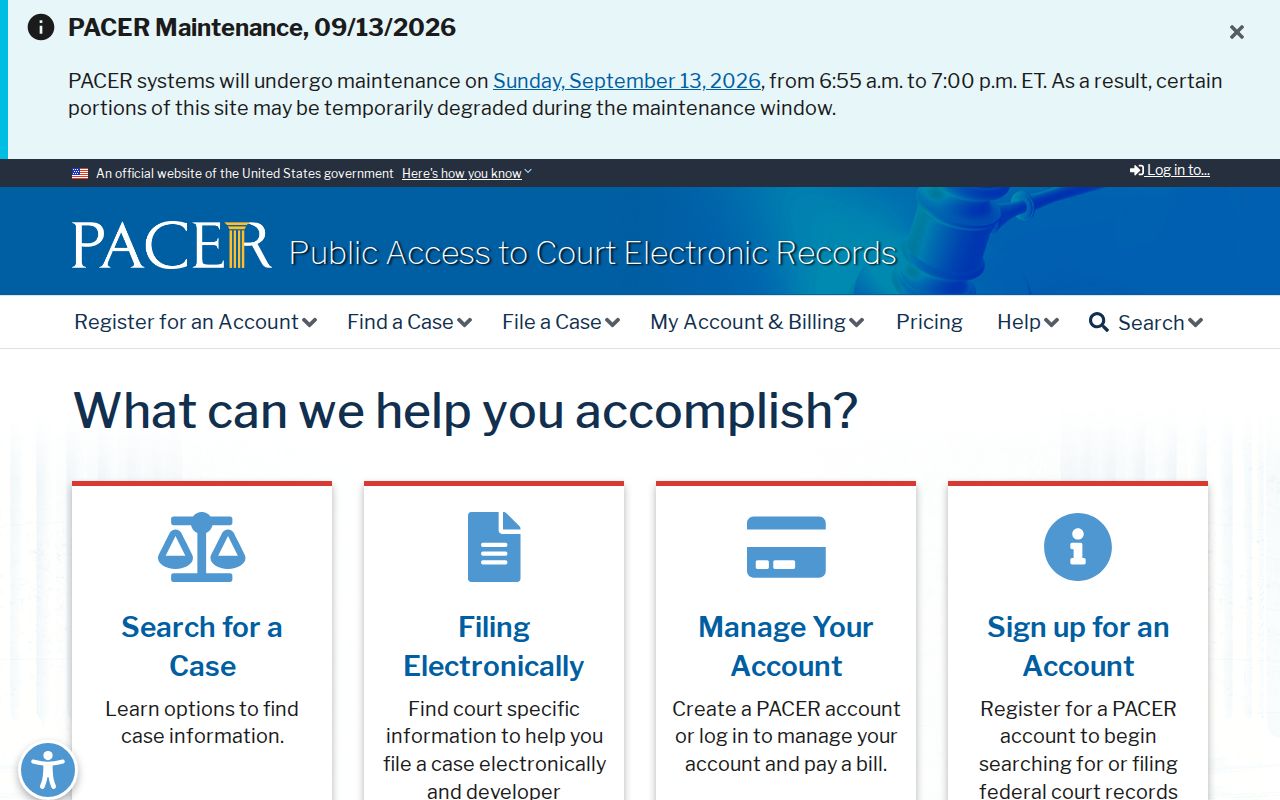
A sealed federal warrant stays invisible there too. A personal federal question in Wexford County belongs with counsel or the federal court.
If You Think You Are on a List
Ask the Wexford County court that would hold your case, and ask it plainly: is there a warrant in my name? A similar name on a public page settles nothing. A curated most-wanted list can't tell you your own status. If a warrant does exist, talk to a lawyer or the local defender office before you appear, and ask the clerk what the court requires next. Spotting an error in a published entry? Take it up with the issuing court and the agency that posted it. Informal fixes go nowhere.
Important: Ask about your own record only, and use the issuing court rather than a public list to confirm it.